Show Posts

This section allows you to view all posts made by this member. Note that you can only see posts made in areas you currently have access to.


Messages - Imrul Hasan Tusher

Pages: [1] 2 3 ... 14
1
কৃত্রিম বুদ্ধিমত্তার প্রভাবে ব্রিটেনে কারিগরি শিক্ষার উত্থান


১৮ বছর বয়সী শিক্ষার্থী মারিনা ইয়ারোশেঙ্কোছবি: রয়টার্স

কৃত্রিম বুদ্ধিমত্তা (এআই) দ্রুতগতিতে কর্মক্ষেত্রের দখল নেওয়ায় চাকরির ভবিষ্যৎ নিয়ে উদ্বেগ বাড়ছে যুক্তরাজ্যে পড়াশোনা করা তরুণদের মধ্যে। অনেকেই ‘হোয়াইট কলার’ চাকরিকে নিরাপদ মনে করছেন না আর। বরং দীর্ঘমেয়াদি স্থিতিশীলতা এবং হাতে–কলমে দক্ষতার নিশ্চয়তা পাওয়া যায়, এমন কারিগরি পেশার দিকে ঝুঁকছেন।

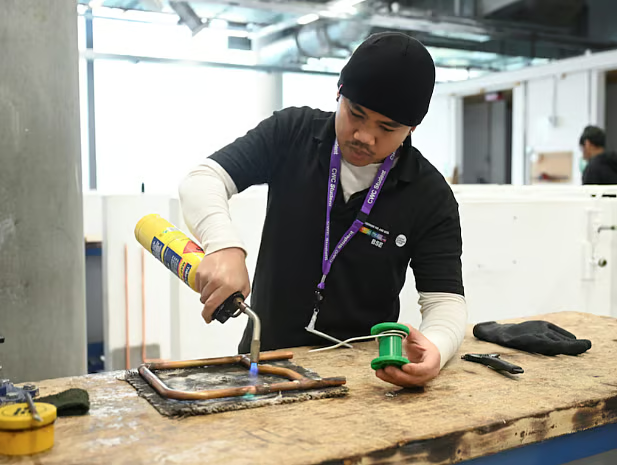
এমনই একজন ১৮ বছর বয়সী শিক্ষার্থী মারিনা ইয়ারোশেঙ্কো। এআই যে অনেক অফিসভিত্তিক কাজ দখল করে নিতে পারে—এমন আশঙ্কা করছেন তিনি। বর্তমানে মারিনা লন্ডনের সিটি অব ওয়েস্টমিনস্টার কলেজে প্লাম্বিং কোর্সে প্রশিক্ষণ নিচ্ছেন।

ইউক্রেন থেকে আসা মারিনা বলছিলেন, ‘এটা এমন একটা কাজ, যেটা এআই নিতে পারবে না।’ তাঁর মতে, প্লাম্বিং বা প্রকৃত প্রকৌশল কাজের সূক্ষ্মতা এবং শারীরিক বাস্তবতা কোনো যন্ত্র পুরোপুরি অনুকরণ করতে পারে না। মারিনা বলেন, ‘আমরা নিশ্চয়ই এআইকে কাজে লাগাব, কিন্তু অনেক কাজ আছে, যা শুধুই মানুষ করতে পারে—যেমন আসল প্লাম্বিং, তড়িৎকৌশল বা ইঞ্জিনিয়ারিং।

এআইয়ের প্রভাব: বিশ্ববিদ্যালয়ে অনাগ্রহ, কারিগরি শিক্ষায় ভর্তি বাড়ছে
ব্রিটেনে এআইয়ের প্রভাবে বড় ধরনের চাকরির কাঠামোয় পরিবর্তনের ইঙ্গিত মিলছে। চার্টার্ড ইনস্টিটিউট অব পারসোনেল অ্যান্ড ডেভেলপমেন্টের (সিআইপিডি) সাম্প্রতিক এক সমীক্ষায় বলা হয়েছে, দেশটির ছয়জনের একজন নিয়োগদাতা মনে করছেন, আগামী ১২ মাসে এআইভিত্তিক টুলস ব্যবহারের কারণে তাঁরা কর্মীর সংখ্যা কমাতে পারেন। এই প্রেক্ষাপটে সিডব্লিউসি (সিটি অব এয়েস্ট মিনস্টার কলেজ) গত তিন বছরে ইঞ্জিনিয়ারিং, কনস্ট্রাকশন এবং বিল্ট এনভায়রনমেন্ট কোর্সে ভর্তি বেড়েছে ৯ দশমিক ৬ শতাংশ। কলেজের প্রধান নির্বাহী স্টিফেন ডেভিস মনে করেন, এআইয়ের অগ্রগতি এবং বিশ্ববিদ্যালয়ের ব্যয়সংকুল ডিগ্রির প্রতি তরুণদের অনাগ্রহ—এ দুটি কারণেই কারিগরি শিক্ষার প্রতি আগ্রহ বাড়ছে।

লন্ডনের ইউনাইটেড কলেজেস গ্রুপের অংশ সিডব্লিউসি মূলত একটি প্রশিক্ষণ কেন্দ্র।

অন্যদিকে ট্রেডস ইউনিয়ন কংগ্রেসের (টিইউসি) আগস্টের এক জরিপে দেখা গেছে, যুক্তরাজ্যের প্রতি দুজনের একজন এআইয়ের কারণে চাকরি হারানোর আশঙ্কা প্রকাশ করেছেন। সবচেয়ে উদ্বিগ্ন ২৫–৩৫ বছর বয়সীরা।

লন্ডনের কিংস কলেজের প্রভাষক এবং এআই গবেষক বোক ক্লেইন টিসেলিংক বলেন, এখন তরুণদের মধ্যে অনেক উদ্বেগ রয়েছে যে তাদের চাকরি স্বয়ংক্রিয়ভাবে চলে যাচ্ছে। কিংস কলেজ টিসেলিংকের গত অক্টোবরে এক গবেষণা প্রকাশ করেছে। গবেষণায় দেখা গেছে, এআই-চালিত কর্মী ছাঁটাই জুনিয়র পদগুলোকে অসামঞ্জস্যপূর্ণভাবে প্রভাবিত করে। এর ফলে তরুণদের ক্যারিয়ারের সিঁড়িতে পা রাখা কঠিন হয়ে পড়ে।


শিক্ষার্থী ওয়ার্কশপে কাজ শিখছেনছবি: রয়টার্স

অন্য কলেজগুলোও একই ধরনের প্রবণতা ও পরিবর্তনের কথা জানাচ্ছে।

দেশজুড়ে বাড়ছে নির্মাণ, প্লাম্বিং, আতিথেয়তা পেশায় আগ্রহ
কেবল সিডব্লিউসি–ই নয়, লন্ডনের আরও অনেক কলেজ একই প্রবণতার কথা জানাচ্ছে। ক্যাপিটাল সিটি কলেজের প্রধান নির্বাহী অ্যাঞ্জেলা জয়েস জানান, নির্মাণ, প্লাম্বিং, হসপিটালিটি এবং অন্যান্য ট্রেড কোর্সে আগ্রহ তুমুল বৃদ্ধি পাচ্ছে। তার ভাষায়, ‘এটি দেখায় যে দক্ষ পেশাদার হওয়ার মূল্য অনেকেই এখন নতুন করে বুঝছেন। অনেক ক্ষেত্রে শিক্ষানবিশ হিসেবে কাজ করেও তরুণেরা ডিগ্রিধারীদের চেয়ে বেশি আয় করার সুযোগ পাচ্ছেন।’

যুক্তরাজ্যের অফিস ফর ন্যাশনাল স্ট্যাটিস্টিকস জানায়, দেশে একজন প্লাম্বারের বার্ষিক গড় আয় ৩৭ হাজার ৮৮১ পাউন্ড এবং নির্মাণ–সম্পর্কিত দক্ষ কর্মীদের আয় প্রায় ৩৫ হাজার ৭৬৪ পাউন্ড। যা সব খাতের গড় বেতন ৩৯ হাজার ৩৯ পাউন্ডের খুব কাছাকাছি। তবে স্টিফেন ডেভিসের মতে, দক্ষ ট্রেডের কর্মীরা নিজের ব্যবসা শুরু করতে পারায় তাঁদের আয় বৃদ্ধির সম্ভাবনা আরও বেশি।

বয়স্ক কর্মীদের স্থলে আসছে নতুন প্রজন্ম
মারিনা ইয়ারোশেঙ্কোর মতো অনেক তরুণই বলছেন, প্লাম্বিং বা নির্মাণ খাতে কর্মীদের বড় একটি অংশ অবসরের বয়সে পৌঁছে গেছে। ফলে নতুন প্রজন্মের জন্য এখানে চাহিদা আরও বাড়বে। তিনি জানান, বিশ্ববিদ্যালয়ে দীর্ঘমেয়াদি পড়াশোনা নয়; বাস্তব কাজের অভিজ্ঞতা দ্রুত অর্জনের সুযোগ থাকায় তিনি কলেজ বেছে নিয়েছেন।

উচ্চশিক্ষা পরিসংখ্যান সংস্থার তথ্য অনুযায়ী, যুক্তরাজ্যে ২০২৩–২৪ শিক্ষাবর্ষে স্নাতক পর্যায়ের ভর্তি কমেছে ১.১ শতাংশ—প্রায় এক দশকের মধ্যে প্রথমবার।


ওয়ার্কশপে কাজে ব্যস্ত শিক্ষার্থীরাছবি: রয়টার্স

উচ্চশিক্ষা পরিসংখ্যান সংস্থার মতে, যুক্তরাজ্যের বিশ্ববিদ্যালয়গুলোতে স্নাতক ভর্তির হার কিছুটা কমেছে। ২০২৩–২৪ শিক্ষাবর্ষে স্নাতক পর্যায়ের ভর্তি কমেছে আগের বছরের তুলনায় ১ দশমিক ১ শতাংশ—প্রায় এক দশকের মধ্যে প্রথমবার এমন ঘটল।

টিসেলিংক বলেছে, রোবট প্লাম্বাররা দায়িত্ব নিতে আরও কিছু সময় লাগবে, কারণ এটি অনেক ‘জটিল কাজ’। ডেভিস বলেন, রোবোটিকস প্রযুক্তি দ্রুত বিকশিত হলেও প্লাম্বিংয়ের মতো কোর্সের শিক্ষার্থীরা ভালো অবস্থানে থাকবে।

Source: https://www.prothomalo.com/education/higher-education/xzfaez9m0b

2
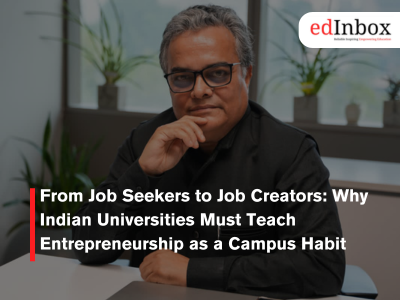
From Job Seekers to Job Creators:Why Indian Universities Must Teach Entrepreneurship as a Campus Habit


By Prof. Ujjwal Anu Chowdhury  05 January 2026

India’s campuses are expanding faster than the promise of stable, meaningful work. Degrees are multiplying, aspirations are rising, and yet the ladder into “viable jobs” is not growing at the same rate. Official estimates have placed the unemployment rate for youth aged 15–29 years at 10.2% in 2023–24, a reminder that the transition from education to employment remains uncertain for a large section of young Indians. Global assessments on India’s youth employment situation also underline the scale of the challenge and the need for better education-to-work pathways.

In this environment, entrepreneurship cannot be treated as a hobby for a few business-school students with family backing. It has to become a campus-wide way of learning—an applied, practical literacy that any student can pick up, regardless of discipline. The real value is not only in producing founders. It is in producing graduates who can spot problems, build solutions, test them with real users, price them responsibly, sell ethically, manage cash flows, hire teams, and scale what works—or shut it down intelligently and learn. This is the new baseline.

That is also the direction of national intent. India’s National Education Policy (NEP) 2020 explicitly pushes higher education institutions towards research and innovation through start-up incubation centres, technology development centres, and stronger industry linkages. The Ministry of Education’s National Innovation and Startup Policy (2019) goes further, outlining how institutions should structure governance, infrastructure, intellectual property practices, and startup support as a system rather than a one-off initiative.

But policy text does not automatically become campus culture. What converts intent into outcomes is an operating model: leadership that signals permission to try, pedagogy that rewards building, and infrastructure that reduces early risk. The attached document argues for exactly this shift—moving from occasional entrepreneurship events to an integrated campus design that reliably produces new ventures and problem-solvers.

Entrepreneurship must stop living inside one department

Most universities still treat entrepreneurship as if it belongs to management education. The result is predictable: students in law, media, design, agriculture, humanities, and the pure sciences either stay out or feel they do not “qualify” to build ventures. Yet the next wave of

Indian entrepreneurship is unlikely to be only tech startups. It will be a mix of sustainability businesses, local services, value-added agriculture, affordable healthcare solutions, creative economy ventures, education innovation, rural platforms, and compliance and logistics

services—domains where non-business students are often closer to the real problem.

The easiest reform is structural: entrepreneurship pathways must be visible to every student. This means entrepreneurship minors that cut across departments, credit-bearing venture projects that count toward graduation, and problem-solving studios where students learn to build solutions rather than write only examinations. A final-year venture project, properly supervised, can replace the traditional “project report” with something far more employable: a prototype, customer validation, early revenue, and a credible narrative of learning.

This is where global precedents matter, not as aspirational name- dropping but as proof of method. In places like MIT and Stanford, entrepreneurship is not a single course. It is a culture supported by multiple centres, programs, and long-term networks. Indian universities do not need to copy that scale immediately, but they do need to adopt the underlying idea: entrepreneurship must be normal on campus, not exotic.

The pedagogy that works begins outside the classroom

Entrepreneurship is rarely learned through lectures alone. Students need ambiguity. They need field exposure. They need to attempt, fail, modify, and try again. The attached framework emphasizes “learning by building” as the default mode—problem-based learning where students

engage with real communities, institutions, and markets and then shape solutions through iteration.

Consider how different campus life becomes when a semester is organised around one neighbourhood or one district problem. A student team might work on waste segregation and discover that behaviour change is harder than technology. Another team might attempt a mobility solution and realise that operations and partnerships matter more than an app. A health innovation team might learn, within weeks, that trust and affordability are their first barriers, not engineering.

This is also where the idea of the “engaged university” becomes powerful, particularly for India and the broader Global South: universities cannot only chase commercialisation in the narrow sense; they must also build mission-driven innovations that solve social and environmental problems through local partnerships.

That approach is not charity. It is strategic, because India’s future venture opportunities will increasingly sit inside sustainability, inclusion, and public problem-solving.

An incubator is not a room; it is a repeatable system

Many campuses announce incubation centres with a ribbon-cutting, and then the room remains underused. The reason is simple: incubation is not furniture. It is a pipeline and a system. A functional entrepreneurship ecosystem includes pre-incubation for idea discovery, mentor networks, IP and legal support, prototyping facilities, seed grants, investor access, alumni support, and clear institutional policies.

India has strong examples of what “system” looks like. IIT Madras Incubation Cell, for instance, reported crossing the 500-startup milestone and has stated that it has incubated 511 startups with significant valuation and job creation figures, alongside a steady annual pipeline in FY 2024–25. This did not happen because one building was inaugurated. It happened because the ecosystem was built to run continuously: screening, mentoring, deep-tech support, and structured pathways to market.

IIT Bombay’s SINE offers another signal of maturity. In December 2025, IIT Bombay reported that SINE launched an incubator-linked deep tech VC fund (₹250 crore) to back early-stage deep-tech startups—an example of how campus incubation is moving into serious capital and commercialisation pathways. At IIM Ahmedabad, the entrepreneurship continuum (IIMA Ventures, formerly IIMA-CIIE) explicitly positions itself as a system that studies, educates, incubates, accelerates, and invests. At IIM Bangalore, NSRCEL has built a visible national brand in incubation and structured entrepreneurship programs, signalling how management institutions can anchor ecosystems that serve students and the broader society.

The point is not that every university must become an IIT or an IIM. The point is that every university can become a reliable entrepreneurship platform if it designs for repeatability rather than events.

Use what already exists: IIC and AIM are national scaffolding

A common mistake is to assume that each institution must build everything from scratch. India has already created national scaffolding that campuses can leverage quickly. The Ministry of Education’s Institution’s Innovation Council (IIC) program, for example, is designed to conduct innovation, IPR, and entrepreneurship-related activities in a time-bound fashion, reward innovations, host workshops and interactions with entrepreneurs and investors, and build mentor pools and networks. When used seriously, IIC can become the campus operating system for innovation calendars rather than a compliance checkbox.

Similarly, the Atal Innovation Mission (AIM) has built the Atal Incubation Centre (AIC) network, and AIM itself reports scale indicators including the number of AICs and startups supported. For universities that are still building internal incubation capacity, partnering with nearby AICs is a practical bridge—especially for specialised lab access, early mentoring, and network credibility.

The national startup policy (2019) strengthens this message by framing entrepreneurship as an institutional responsibility, including governance structures, IP ownership, licensing, and equity-sharing mechanisms. Universities that implement these systems do not merely produce startup “stories.” They produce a steady pipeline of ventures, internships, live projects, and industry collaborations.

The invisible factor: psychological safety and leadership permission

Even with infrastructure, most students hesitate because entrepreneurship feels socially risky. They fear embarrassment, academic penalties, and the suspicion that entrepreneurship is a distraction from “real” education.

This is why the leadership signal matters. The attached framework argues for positive leadership as a core ingredient: university leaders must create psychological safety for risk-taking and make intelligent failure respectable.

In practical terms, this can mean flexible attendance and evaluation policies for active founders, formal leave-of-absence options that allow students to build ventures without losing their academic future, and public celebrations of attempts, not only of winners.

When leadership explicitly says, “Try,” student participation rises. When leadership says, “Only placements matter,” entrepreneurship becomes theatre.

Teach the craft, not only the motivation

Many campuses run inspirational talks, pitch competitions, and startup weekends. These create energy. But energy alone does not build companies. What builds companies is craft.

Students need structured, step-by-step capability: customer discovery, market validation, pricing, sales, unit economics, compliance, contracts, hiring, and team leadership. The attached model emphasises skills training as a direct driver of entrepreneurial confidence and competence.

It also points to blended learning as the right delivery mode, because founders cannot always attend conventional schedules and because entrepreneurship knowledge is often best learned in short, tool-based modules. When universities deliver micro-credentials in these areas, hosted on the LMS and supported by hybrid mentoring, they make entrepreneurship learning accessible at scale. The output is not only startups; it is also better employability, because students learn how markets work in real time.

Change assessment, and students will change behaviour

Universities often say they value innovation, but they still grade students primarily through memory-based exams. That mismatch kills entrepreneurship learning. A serious reform is to change assessment design. The framework in the attached document calls for multi-assessment—grading authentic outputs like prototypes, portfolios, demonstrations, investor-style pitches, peer feedback, and iteration discipline.

When a demo day replaces an end-term exam in one course, the classroom becomes a studio. When students get academic credit for incubation milestones, they can justify venture-building time to families and peers.

This matters enormously in India, where social expectations around education are high and “wasting time” is a real fear. Reduce early risk: scholarships and micro-grants are not charity

For many students, the barrier is not ideas. It is the cost of risk. Even modest support can change outcomes because it buys time for validation and prototyping. The attached model treats scholarships and micro-grants as key enablers because they de-risk early exploration and validate entrepreneurial talent.

On campus, this can be structured as milestone-based prototype grants, founder scholarships that combine tuition support with mentoring obligations, and alumni-funded “student angel circles” that make the first cheque feel possible. The strongest versions of these programs are not open-ended. They are disciplined: small funding, clear deliverables, rigorous review, and strong mentoring.

Sustainability is not a side theme; it is a venture frontier

If universities want entrepreneurship to be relevant to India’s next decade, they should look closely at sustainability. Energy, water, waste, mobility, livelihoods, and climate-resilient infrastructure are not only public policy topics; they are business opportunities.

A powerful idea in the attached framework is “green infrastructure” as a campus lever: when a campus becomes a living lab—renewable energy monitoring, circular waste systems, water auditing, sustainable procurement—students get a real-world testbed for green ventures.

The university becomes the first customer, the first dataset, and the first validation site. That is how sustainable entrepreneurship becomes practical rather than rhetorical.

Interdisciplinary teams are where the real startups are born

Most successful ventures sit at intersections. Technology without design fails. Design without distribution fails. Distribution without compliance fails. Compliance without product-market fit fails.

The attached framework highlights interdisciplinary collaboration as a structural driver of innovation.

Universities can operationalise this through cross-school challenge labs, mixed-team venture courses, shared co-working spaces, and joint teaching where faculty from business, engineering, humanities, and design co-own outcomes.

This approach also strengthens campus employability, because interdisciplinary teamwork is exactly what modern organisations demand.

Measure what matters, and tell a stronger story than rankings

A final weakness across many universities is measurement. Rankings rarely capture the full value of entrepreneurship, especially social entrepreneurship and community innovation.

Campuses need their own dashboards: teams formed, prototypes built, ventures registered, revenue earned, jobs created, IP filed where relevant, grants won, follow- on funding secured, and measurable social or environmental outcomes. The attached model emphasises institutional “scaling up” through continuous improvement and outcome tracking, not through occasional publicity.

In a jobs-scarce era, the most credible university brand will be built not only on placement brochures, but on documented venture outcomes and community impact.

The editorial bottom line: the campus must become India’s most reliable launchpad

India does not need every student to become a founder. But India does need every graduate to become venture-capable, because the economy increasingly rewards those who can create value, not only those who can seek roles.

The path is visible. Policy frameworks exist. National scaffolding exists through IIC and AIM. Indian examples show what is possible when ecosystems are designed as systems rather than events. The remaining work is cultural and operational: to embed entrepreneurship in curriculum, pedagogy, assessment, leadership signals, and campus infrastructure so that it becomes routine.

When that happens, universities stop being waiting rooms for jobs and start becoming factories of solutions. In a country as young and ambitious as India, that is not an optional upgrade. It is the next definition of what a university is for.

The author is the Chief Mentor of Edinbox and works as a Director with the Techno India group of Kolkata, along with being the Principal Adviser of the Kolkata based university of the group.

Source: https://edinbox.com/index.php/editorial/7212-from-job-seekers-to-job-creators-why-indian-universities-must-teach-entrepreneurship-as-a-campus-habit


3
এআই দিয়ে তৈরি ছবি ও ভিডিও শনাক্তের কৌশল জানাল গুগল


এআই দিয়ে তৈরি ছবি ও ভিডিও শনাক্ত করে দেবে জেমিনি অ্যাপছবি: পেক্সেলস

কৃত্রিম বুদ্ধিমত্তা বা এআই দিয়ে তৈরি ছবি ও ভিডিও এখন এতটাই বাস্তবসম্মত হয়ে উঠেছে যে অনেক ক্ষেত্রেই আসল ও কৃত্রিমভাবে তৈরি আধেয়র (কনটেন্ট) পার্থক্য করা কঠিন হয়ে পড়ছে। ফলে ডিপফেক ভিডিও বা এআই দিয়ে সম্পাদিত ছবির সত্যতা যাচাই করতে পারেন না অনেকেই। এ সমস্যা সমাধানে নিজেদের জেমিনি অ্যাপের মাধ্যমে এআই দিয়ে তৈরি ছবি ও ভিডিও শনাক্তের সুবিধা চালু করেছে গুগল। প্রাথমিকভাবে এ সুবিধা কাজে লাগিয়ে শুধু গুগলের কৃত্রিম বুদ্ধিমত্তা দিয়ে তৈরি বা সম্পাদনা করা ছবি ও ভিডিও যাচাই করা যাবে।

যেভাবে যাচাই করবেন
এআই দিয়ে তৈরি ছবি ও ভিডিও শনাক্তের জন্য প্রথমে জেমিনি অ্যাপের সর্বশেষ সংস্করণ চালু করতে হবে। এরপর যাচাই করতে চাওয়া ছবি বা ভিডিও অ্যাপটিতে আপলোড করতে হবে। ভিডিও ফাইলের ক্ষেত্রে সর্বোচ্চ ১০০ মেগাবাইট আকার এবং ৯০ সেকেন্ড দৈর্ঘ্যের কনটেন্ট আপলোড করা যাবে। ফাইল যুক্ত করার প্রক্রিয়াটি অন্যান্য মেসেজিং অ্যাপের মতোই সহজ। ফাইল আপলোড হয়ে গেলে জেমিনিকে প্রশ্ন করতে হবে ‘ওয়াজ দিস জেনারেটেড গুগল এআই’ বা ‘ইজ দিস এআই জেনারেটেড’। এরপর ছবি বা ভিডিওটি পর্যালোচনা করে ফলাফল জানাবে জেমিনি।

যেভাবে ছবি ও ভিডিও শনাক্ত করবে জেমিনি
আপলোড করা কনটেন্টে সিনথআইডি ওয়াটারমার্ক আছে কি না, তা স্বয়ংক্রিয়ভাবে বিশ্লেষণ করে সেটি এআই দিয়ে তৈরি হয়েছে কি না, তা জানাতে পারে জেমিনি। গুগলের তথ্যমতে, ভিডিওর ক্ষেত্রে অডিও ও দৃশ্যমান অংশ আলাদাভাবে পরীক্ষা করা হবে। প্রয়োজনে জেমিনি জানিয়ে দেবে, ভিডিওর ঠিক কোন অংশে এআইয়ের ব্যবহার শনাক্ত হয়েছে। উদাহরণ হিসেবে অ্যাপটি জানাতে পারে, ভিডিওটির ১০ থেকে ২০ সেকেন্ড সময়ের মধ্যে অডিও অংশে সিনথআইডি শনাক্ত হয়েছে, তবে দৃশ্যমান অংশে কোনো চিহ্ন পাওয়া যায়নি। এতে ব্যবহারকারী সহজেই বুঝতে পারবেন, ভিডিওর কোন অংশ এআই দিয়ে তৈরি বা পরিবর্তন করা হয়েছে।

সিনথআইডি কী
সিনথআইডি হলো গুগলের তৈরি একটি ডিজিটাল ওয়াটারমার্কিং প্রযুক্তি। এআই জেনারেটেড আধেয় তৈরি হওয়ার সময়ই এই প্রযুক্তির মাধ্যমে তাতে অদৃশ্য চিহ্ন যুক্ত করা হয়। এই চিহ্ন মানুষের চোখে দেখা না গেলেও বিশেষ প্রযুক্তির সাহায্যে শনাক্ত করা সম্ভব। গুগলের দাবি, ছবি বা ভিডিও ক্রপ, ফিল্টার যোগ করা, সংকুচিত বা ফ্রেমের পরিবর্তন করলেও এই ওয়াটারমার্ক অক্ষত থাকে। ফলে এআই দিয়ে তৈরি ছবি ও ভিডিওর উৎস শনাক্ত করা যায়।

সূত্র: টাইমস অব ইন্ডিয়া

Source: https://www.prothomalo.com/technology/artificial-intelligence/mfz583nkyz

4
জাপানিদের দীর্ঘায়ুর রহস্য: কেন তারা খাওয়ার সময় পেটের ২০ শতাংশ খালি রাখে

দীর্ঘদিন সুস্থ শরীরে বেঁচে থাকার জন্য আমরা কঠিন কঠিন সব ডায়েট মেনে চলি। কিন্তু জাপানিরা মেনে চলে ‘হারা হাচি বু’ নামে খুব সহজ এক নিয়ম। সহজ কথায়, নিয়মটা হলো ভরপেট না খাওয়া। জাপানিরা খাওয়ার সময় পেটের ২০ শতাংশ খালি রাখে। কিন্তু এই সাধারণ অভ্যাস কি ওজন কমাতে ও সুস্থ থাকতে সত্যিই কার্যকর?


দীর্ঘদিন সুস্থ শরীরে বেঁচে থাকার জন্য আমরা কঠিন কঠিন সব ডায়েট মেনে চলি, কিন্তু জাপানিরা মেনে চলে ‘হারা হাচি বু’ নামে খুব সহজ এক নিয়মছবি: রিজেন

আমরা প্রতিনিয়ত ডায়েট, শরীরচর্চা ও নতুন নতুন স্বাস্থ্যকর কৌশলের খোঁজ করি। কারণ, দীর্ঘদিন সুস্থভাবে বেঁচে থাকার আকাঙ্ক্ষা সবার। অথচ দীর্ঘজীবী হওয়ার রহস্য লুকিয়ে আছে খুব সহজ ও প্রাচীন এক অভ্যাসে, যা জাপানের শতবর্ষী মানুষেরা মেনে চলেন।

এই অভ্যাসে কোনো কঠোর রুটিন নেই। আছে শুধু একটি সাধারণ নিয়ম। ভরপেট খাওয়া যাবে না। বরং খাওয়ার সময় পেটকে কেবল ৮০ শতাংশ ভর্তি হওয়া পর্যন্ত খাবার দিতে হবে, ফাঁকা রাখতে হবে ২০ শতাংশ জায়গা।

শুনতে কেমন লাগছে, তাই না? হয়তো মনে হচ্ছে, সামান্য ২০ শতাংশ খাবার কম খেলে কী আর হবে? তবে বিশ্বের সবচেয়ে সুস্থ ও দীর্ঘজীবী জাপানিরা এই নিয়মই মেনে চলেন। তাঁদের জীবনযাপনের এই বিশেষ পদ্ধতিকে বলা হয় ‘হারা হাচি বু’।

হারা হাচি বু কী

হারা হাচি বু জাপানের কনফুসীয় শিক্ষা থেকে আসা এক অভ্যাস, যার মূল কথা পরিমিত বা অল্প খাওয়া। অর্থাৎ পেট কেবল ৮০ ভাগ ভর্তি হওয়া পর্যন্ত খাওয়া এবং বাকি ২০ ভাগ অংশ ফাঁকা রাখা। মনে করা হয়, এই ধারণা জাপানে প্রায় তিন শ বছর ধরে প্রচলিত।

এখনকার ডায়েটের নিয়মগুলো বেশির ভাগই ক্যালরি কমিয়ে খাদ্যতালিকা তৈরির ওপর জোর দেয়। তবে হারা হাচি বুর মতো সহজ নিয়ম আমাদের সচেতনভাবে ও পরিমিত পরিমাণ খাওয়ার কথা বলে।


হারা হাচি বু জাপানের কনফুসীয় শিক্ষা থেকে আসা এক অভ্যাস, যার মূল কথা পরিমিত বা অল্প খাওয়াছবি: ফিডিঙ্ক

এই নিয়ম মানলে সুবিধা হলো, এতে কোনো খাবার বাদ দিতে হয় না। ফলে সুষম ও পুষ্টিকর খাবারের চাহিদা পূরণ হয়। যেহেতু অতিরিক্ত খাওয়া ওজন বাড়ার প্রধান কারণ।

তাই হারা হাচি বু সব দিক ঠিক রেখে শুধু ২০ ভাগ কম খাওয়ার মাধ্যমে ওজন কমাতে কাজ করে। এর ফলে শরীর প্রয়োজনীয় পুষ্টি পায়, আবার অতিরিক্ত খাওয়াও সহজে এড়ানো যায়।

মূলত এই অভ্যাস মানলে প্রতিদিনের মোট ক্যালরি গ্রহণ কমে আসে। ফলে এটি দীর্ঘ মেয়াদে বাড়তি ওজন কমাতে ও গড় বডি মাস ইনডেক্স (বিএমআই) কম রাখতে সাহায্য করে।

হারা হাচি বুর সুবিধা কী কী

ওজন কমানো ছাড়াও এই নিয়ম মানলে শরীরে আরও অনেক ইতিবাচক পরিবর্তন আসে।

১. দীর্ঘজীবী হতে সাহায্য করে

হারা হাচি বু অভ্যাসের সঙ্গে দীর্ঘজীবী হওয়ার সরাসরি সম্পর্ক আছে। ২০১৬ সালের ‘আমেরিকান জার্নাল অব লাইফস্টাইল মেডিসিনে’ প্রকাশিত এক গবেষণায় এ তথ্য জানা যায়। জাপানের ওকিনাওয়াবাসীরা শতবর্ষী হিসেবে বিখ্যাত।

তাঁরা এই অভ্যাসকেই তাঁদের দীর্ঘজীবনের রহস্য মনে করেন। ডায়েটিশিয়ানদের মতে, অতিরিক্ত খাওয়া এড়িয়ে চলার কারণে কোষের স্বাস্থ্য ভালো থাকে এবং বার্ধক্যপ্রক্রিয়া ধীর হয়।

২. ওজন কমাতে সাহায্য করে

হারা হাচি বুর অন্যতম শিক্ষা মনোযোগসহ খাওয়া। ২০১৫ সালে প্রকাশিত গবেষণায় দেখা যায়, এই অভ্যাস খাবারের ক্রেভিং বা তীব্র আকাঙ্ক্ষা কমায় এবং মানসিক চাপের কারণে অতিরিক্ত খেয়ে ফেলার ঝুঁকিও বাড়তে দেয় না।

বিশেষজ্ঞদের মতে, পেট পুরো ভরে যাওয়ার আগেই থেমে গেলে অপ্রয়োজনীয় ওজন বৃদ্ধির ঝুঁকি কমানো সম্ভব।


হারা হাচি বু নিয়ম মেনে চললে অতিরিক্ত না খেয়ে কেবল শরীরের প্রয়োজনীয় খাবার খাওয়া হয়ছবি: পেক্সেলস

৩. হজমশক্তি উন্নত করে

পেট ভরে খেলে পাচনতন্ত্রের ওপর চাপের সৃষ্টি হয়। ফলে পেট ফোলা বা অ্যাসিডিটির সমস্যা দেখা দিতে পারে। হারা হাচি বু পাকস্থলীকে অতিরিক্ত চাপ না দিয়ে খাবার সহজে হজম করতে সাহায্য করে।

বিশেষজ্ঞদের মতে, পরিমিত খাওয়ার ফলে হজমকারী এনজাইম ও অন্ত্রের ব্যাকটেরিয়াগুলো আরও ভালোভাবে কাজ করে। ফলে পুষ্টির শোষণ বাড়ে এবং হজমের সমস্যা অনেক কমে আসে।

৪. দীর্ঘস্থায়ী রোগের ঝুঁকি কমায়

২০২২ সালের জার্নাল অব ইটিং ডিজঅর্ডারসের একটা গবেষণায় দেখা গেছে, প্রক্রিয়াজাত খাবার অতিরিক্ত খেলে হৃদ্‌রোগ ও ডায়াবেটিসের ঝুঁকি বাড়ে। বিশেষজ্ঞরা মনে করেন, হারা হাচি বু অতিরিক্ত খাবার গ্রহণ বন্ধ করে রক্তে শর্করার মাত্রা নিয়ন্ত্রণে রাখে।

এ ছাড়া এই পরিমিত খাদ্যাভ্যাস শরীরের প্রদাহ কমিয়ে আনতে সাহায্য করে, ফলে হৃদরোগের ঝুঁকিও কার্যকরভাবে কমে আসে।

৫. কাজের ক্ষমতা বৃদ্ধি করে

বেশি খেলে বেশির ভাগ মানুষের ক্ষেত্রে আলসেমি বা ঘুম ঘুম ভাব দেখা দেয়। কারণ, অতিরিক্ত খাবার খেলে তা হজম করতে শরীরকে অনেক শক্তি খরচ করতে হয়। ফলে শরীর ক্লান্ত হয়ে পড়ে।

হারা হাচি বু নিয়ম মেনে চললে অতিরিক্ত না খেয়ে কেবল শরীরের প্রয়োজনীয় খাবার খাওয়া হয়। তাই সারা দিন শক্তির মাত্রা স্থিতিশীল থাকে এবং কাজে ক্লান্তি আসে না।

কীভাবে বুঝবেন যে ৮০ ভাগ পেট ভরেছে

  • পেটটা যে পুরোপুরি ভরা, তা ঠিকঠাক বুঝতে আমাদের মস্তিষ্কের লাগে প্রায় ২০ মিনিট। তাই তাড়াহুড়া না করে ভালোভাবে চিবিয়ে ও বিরতি নিয়ে খান।

    ছোট থালায় খাবার পরিবেশন করুন। এতে খাবারের পরিমাণ নিয়ন্ত্রণে থাকে এবং কম খেলেও প্লেট ভর্তি লাগার অনুভূতি তৈরি হয়।

    যখন সত্যিই ক্ষুধা পাবে, তখনই কেবল খেতে শুরু করুন। মানসিক চাপ বা অভ্যাস থেকে খাবেন না।

    খাওয়ার সময় টিভি বা মুঠোফোন দেখবেন না। খাবারের দিকে মনোযোগ দিন এবং খাবার ভালোমতো চিবিয়ে স্বাদ উপভোগ করুন।

    পুরোপুরি পেট ভরে যাওয়ার অপেক্ষা না করে যখন মনে হবে যে পেট প্রায় ৮০ শতাংশ ভরে গেছে, তখনই খাওয়া বন্ধ করুন।

    প্লেটে আগে যতটুকু খাবার নিতেন, তার চেয়ে ২০ ভাগ কম খাবার নিয়ে শুরু করতে পারেন হারা হাচি বু। কিংবা খাবার আগে কিছুটা পানি খেয়ে শুরু করতে পারেন।


সব দিক থেকে দেখলে হারা হাচি বু খুব সহজ কিন্তু কার্যকর অভ্যাসছবি: পেক্সেলস

হারা হাচি বু অভ্যাসের পার্শ্বপ্রতিক্রিয়া আছে কি

এই অভ্যাস স্বাস্থ্যের জন্য ভালো হলেও মেনে চলার সময় কিছু ছোটখাটো সমস্যা দেখা দিতে পারে। যদি ঠিকমতো নিয়ম না মানা হয়, তাহলে কেউ কেউ খুব কম খেয়ে ফেলতে পারেন এবং শরীরে প্রয়োজনীয় পুষ্টির অভাব দেখা দিতে পারে।

এ ছাড়া যাঁরা পেট ভরে খেতে অভ্যস্ত, তাঁদের কাছে প্রথমে ৮০ ভাগ খেয়ে থামাটা অতৃপ্তিদায়ক লাগতে পারে। তবে নিয়মিত চেষ্টা করলে শরীর এতে অভ্যস্ত হয়ে যায়।
আর ঠিক কতটুকু খেলে পেট ৮০ ভাগ পূর্ণ হবে, তা বুঝতে শুরুতে সমস্যা হলেও নিজের শরীরের প্রতি মনোযোগ দিলে ধীরে ধীরে তা আয়ত্তে আনা সম্ভব।

সব দিক থেকে দেখলে হারা হাচি বু খুব সহজ কিন্তু কার্যকর অভ্যাস। এটি দীর্ঘদিন বাঁচতে ও ওজন কমাতে সাহায্য করে। নিয়মিত চেষ্টা করলে হারা হাচি বু পরিণত হয় আজীবনের স্বাস্থ্যকর অভ্যাসে।

সূত্র: দ্য কনভারসেশন, হেলথ শটস, ক্লিভল্যান্ড ক্লিনিক

Source: https://www.prothomalo.com/lifestyle/health/m02rb2etk9

5
AI in Education / Reduce your teaching admin burden with AI
« on: November 15, 2025, 03:00:50 PM »
Reduce your teaching admin burden with AI

How university teachers can use AI to respond to student enquiries, provide feedback and create engaging learning content


Teaching demands are growing exponentially in higher education. From preparing dynamic course materials to offering timely and personalised feedback, many essential tasks can feel like an endless time and energy drain. Balancing these while maintaining quality teaching and engagement is challenging. This is where artificial intelligence (AI) can help.

AI is not a replacement for educators; it is a tool for their empowerment. By streamlining workflows, automating repetitive processes and enhancing teaching and learning, it allows us to reclaim our time and focus on high-impact educational activities.

Writing emails
Managing student emails can be incredibly time-consuming, particularly when the same questions are asked repeatedly. To address this challenge, we created a custom GPT to act as a virtual assistant, handling these recurring questions with ease. By using tools like OpenAI’s ChatGPT, educators can build AI assistants to address common student enquiries such as assignment deadlines, submission guidelines, grading rubrics and course planning.

The use of custom GPTs empowers students by giving them immediate access to the information they need (even outside office hours) while reducing the administrative load on educators. With a significant portion of student queries effectively addressed by AI assistants, instructors can focus more on one-to-one support and meaningful student interactions. Note that creating custom GPTs requires the premium version of ChatGPT.

Delivering lectures
Preparing engaging and consistent lecture materials can be time-consuming, especially for asynchronous or hybrid learning environments. AI tools such as HeyGen or Synthesia allow educators to create digital avatars that narrate slides or pre-record lectures to help maintain a consistent, professional presentation style. These avatars can adapt content delivery for multiple audiences and different languages without requiring the instructor to re-record sessions. This approach saves time and ensures lectures are engaging and up-to-date.

Digital avatars also provide accessibility benefits, catering to students with different learning needs and enhancing their engagement with the course content. A student survey revealed avatars with warm personalities were better suited to English as a second language students, whereas mature students seemed to prefer more serious, no-nonsense avatars.

By leveraging tools like Canva’s AI-powered design features, educators can input their key ideas and rapidly generate cohesive, professional-quality slide decks.

Giving feedback
Providing personalised feedback is crucial for student development, yet doing so across large cohorts can be time-consuming. We use AI tools to convert rough notes into structured, personalised feedback. Using AI tools like Notion AI or ChatGPT, a phone camera can capture handwritten grading notes and transform them into detailed, actionable feedback for students. We found this approach saved time without compromising the quality of engagement with students.

Content creation
This use of AI not only supports diverse learning preferences by offering multiple content formats to engage with, but it also helps educators efficiently repurpose high-quality content across different channels.

Whether summarising complex academic articles or drafting course handouts, generative AI tools such as NotebookLM or ChatGPT make content creation easier and more efficient. NotebookLM can summarise the latest research or key course topics and turn it into an engaging podcast for students.

Collection: AI transformers like ChatGPT are here, so what next?
Promoting ethical and responsible use of GenAI tools
Spotlight guide: Bringing GenAI into the university classroom
Tips for using AI in teaching
Start small and focus on one task: integrating AI can feel overwhelming, so start small. Choose one repetitive task, such as managing frequently asked questions and test an AI solution to streamline it. Once confident, gradually expand to other areas.

Engage students in the process: whether narrated slides or a GPT answering questions, we actively gained feedback from students to ensure these tools enhanced their experience. This not only improves the tools but helps students feel involved in the process, fostering a more collaborative learning atmosphere.

Focus on ethical considerations: AI should always align with institutional guidelines and ethical considerations. SACRAD, which stands for specificity, accuracy, clarity, relevance, appropriateness and depth, is a useful framework we have developed for assessing AI-generated content in this context.

Collaborate and share best practices: work closely with colleagues to share insights and experiences related to using AI in teaching. Collaboration can lead to faster adoption and uncover innovative applications of AI that benefit not only individuals but your institution as a whole.

Iterate and improve continuously: AI tools evolve constantly. So, review and refine how they are used. Regular assessment and staying updated with new features can help educators keep their teaching practices dynamic and aligned with student needs. Iteration is key to ensuring that AI continues to meet educational goals effectively.

By using AI for repetitive and time-consuming teaching tasks, we were able to focus on what we do best: engaging with students, innovating curricula and advancing research. Students benefit from faster responses, more diverse and engaging learning content and enhanced learning experiences tailored to their needs.


Shahper Richter, Inna Piven and Patrick Dodd teach marketing at the Business School of the University of Auckland.

If you would like advice and insight from academics and university staff delivered direct to your inbox each week, sign up for the Campus newsletter.

Source: https://www.timeshighereducation.com/campus/reduce-your-teaching-admin-burden-ai?utm_source=mkg&utm_medium=email&utm_campaign=showcase&spMailingID=32135871&spUserID=MTk1NzYzNzM4ODE5NAS2&spJobID=2830722557&spReportId=MjgzMDcyMjU1NwS2

6
A new way of designing learning outcomes in line with future skills


image credit: Drazen Zigic/iStock.

As a learning designer, when I have conversations with university teaching staff about their courses, they always ask me “How do I redesign my assessments or redesign my course?” My first response, “What are your learning outcomes?”, often draws a blank stare. Traditionally, learning outcomes have been crafted based on specific knowledge students are expected to acquire. They provide clear expectations of what students are expected to know, understand and be able to do by the end of a course or programme.

However, the workplace is being dramatically reshaped by innovation and technological developments. This creates a sense of uncertainty about what roles and competencies will be required in the workplace and challenges the static and standardised approach to crafting learning outcomes. Does this mean the traditional approach to crafting them is outdated?

As educators, we find ourselves crystal-ball gazing, tasked with equipping students not only with subject-matter expertise, but also with the future-proof skills needed to help them thrive in an ever-changing world. If educators fail to keep pace with real-world demands, they risk becoming disconnected from the needs of both students and the workforce.

Bloom’s and structure of the observed learning outcomes (SOLO) are two learning taxonomies used to categorise learning objectives and assess student understanding beyond mere knowledge acquisition.

Bloom’s taxonomy focuses on cognitive processes in a hierarchical structure and provides a blueprint for crafting learning outcomes that push students beyond mere recall and towards higher-order thinking skills. Using verbs relating to knowledge acquisition, critical thinking and others, we can assess students’ knowledge, skills, attitudes, behaviours and abilities. They include “list”, “recall”, “evaluate” and “analyse”, among others.

SOLO taxonomy focuses on the complexity and assessment of a student’s understanding across five levels of comprehension: prestructural, unistructural, multicultural, relational and extended.

I propose another model – multifaceted outlook on skills and abilities in the connected age (MOSAIC) – that can be used in conjunction with both Bloom’s and SOLO taxonomies to support educators in answering the question “What skills do I want students to take away from this course?” It aims to cultivate foundational and cognitive knowledge, adaptability, emotional intelligence and a growth mindset, balancing traditional academic skills with human skills such as ethical reasoning to prepare students for an evolving world in which artificial intelligence (AI) is playing an ever-increasing role.

Resource collection: Back to the basics of pedagogy
Resource collection: What innovation needs to thrive in higher education
Using fun and interactive micromodules to energise learning
MOSAIC learning outcomes model

“Ako” in Te ao Māori, one of New Zealand’s official languages, means both to teach and learn. It reflects the relationship between the student and the facilitator (teacher), acknowledging that each learns from the other and co-creates new knowledge. Student-centred Ako takes centre stage in this model, with the facilitator (teacher) interacting and guiding the student’s learning journey. The 10 green sections surrounding the centre stage are interconnected and reflect the diverse nature of the skills that educators should consider when crafting learning outcomes.


To remain current, we should reconsider and update learning outcomes at the start of each semester. This requires the educator to remain adaptable, flexible and up to date with workplace trends and ensure they are relevant. Using the MOSAIC learning outcomes model, educators can first decide on what skills they want students to acquire from the course, then – using Bloom’s taxonomy – use an appropriate verb to craft the learning outcome. The following questions can guide the process:

What is a student going to learn from my course that they can’t learn online?
What is the point of difference in my course?
What skills is the student going to acquire and what’s in it for them?
Why should they learn from me?
Let’s see how this works in practice by using a fictional course in year two:

Course Title: Narratives in Colour – the art of storytelling through visual media.

Course Description: In Narratives in Colour, students will explore the intricate relationship between visual art and storytelling across various media, including painting, graphic novels, digital art and film. This course examines how artists have used colour, composition and form to convey complex narratives and evoke emotional responses.

The educator will use the MOSAIC learning model to brainstorm the skills they want students to obtain and may decide on the following three: interpersonal skills from the social-emotional intelligence section; creative thinking from the cognitive abilities section; and design thinking from the innovation and entrepreneurship section.

Because the course is delivered in year two, the educator may decide to use measurable verbs from Bloom’s hierarchical structure that relate to “applying” and “analysing”. The learning outcomes may look like this.

Interpersonal skills: students will apply effective communication strategies in groups to collaboratively discuss and refine each other’s visual narratives.

Creative thinking: students will apply innovative techniques to develop unique visual narratives that challenge traditional storytelling methods.

Design thinking: students will analyse user experiences and audience engagement in visual storytelling, applying design thinking principles to create compelling and accessible narratives that resonate with diverse viewers.

Employers are increasingly seeking graduates who can think critically, collaborate across disciplines and apply knowledge in flexible, creative ways.

Most of the pressing complex problems we face today, such as climate change and global health, do not align neatly with the boundaries of individual academic disciplines, forcing us to adopt a transdisciplinary approach to education. The MOSAIC learning outcome model allows us to use a transdisciplinary lens when crafting our learning outcomes, fostering the development of transferable competencies that transcend any single subject area.

The time has come for a shift in our mindsets to reimagine, reinvent and prepare for the future.

Source: https://www.timeshighereducation.com/campus/new-way-designing-learning-outcomes-line-future-skills?utm_source=mkg&utm_medium=email&utm_campaign=showcase&spMailingID=32135871&spUserID=MTk1NzYzNzM4ODE5NAS2&spJobID=2830722557&spReportId=MjgzMDcyMjU1NwS2

7
Innovation in Technology / How can students learn to be innovative?
« on: November 15, 2025, 02:56:02 PM »
How can students learn to be innovative?


In any sphere you care to name, the necessary practice of being innovative is inherently unpredictable.

To be innovative, one needs to abandon judgement, be open to all possibilities, have the confidence and courage to adopt a trial-and-error approach, and embrace failure on the path to success.

This mindset sits in direct conflict with conventional constructs of education where we tutor students to think and act according to a set of guides, to research and reproduce model answers, and to be assessed against quantifiable evaluation metrics.

There is a myth that innovation cannot be taught. We would say: not so. Taking on an innovation mindset is at heart about learning by experimenting and can be taught through experiential learning. The skill set cannot be acquired using a step-by-step manual but through exploration.

Resource collection: Creativity in higher education
Resource collection: What innovation needs to thrive in higher education
Resource collection: How higher education and industry can work well together
Teaching for innovation means depending less on pre-prepared materials, which is a big hurdle for teachers in a higher education environment that requires many quantifiable metrics on standard answers to assess students.

Teaching innovation means creating a safe space for risk-taking, rewarding curiosity and encouraging divergent thinking. The goal is to develop a mindset of constructive critique to help students let go of their fear and find confidence without formal structures and materials.

Teaching innovation through case studies
As teachers and researchers in property studies, we have developed an effective pedagogy for innovation using business case studies. This method enables students to learn from analysing bona fide business cases and applying knowledge from the complex set of disciplines that comprise property studies, from planning, construction and engineering to law, accounting and finance.

With case studies, students discover new knowledge and practices by working through authentic, real-world problems and solutions. This culminates in students developing their own business proposals for the final course project.

Property is one of many sectors facing rapid transformation in innovation-driven economies. A notable example is the emergence of financial technologies (fintech) in the real estate business. Fintech is suitable for teaching innovation because it is disrupting traditional financial practices and theories in the property market. Case studies on fintech reveal creative thinking and innovation, helping to enrich the case-study method. Below are the key elements of using case studies to teach innovation.

Co-creating knowledge
Finding solutions to case-study-based problems is a collaborative effort. Students are encouraged to work together, sharing analyses and insights with peers. The structure of this collaboration is flexible, allowing for group and individual efforts. Students share individual work for feedback during class discussions, fostering mutual learning and knowledge-sharing.

Class discussions can be in person and online via a discussion board and are not solely student led. Lecturers play a crucial role in guiding conversations by posting open-ended questions related to the case studies, stimulating thoughtful discourse and exploration of topics.

A typical question might be: “Is fintech the future of real estate investing and financing?” Students then need to evaluate and provide responses to the statement using real-world “proptech” companies to support their arguments. Lecturers can follow up on interesting discussion points during their lectures.

Encouraging engagement
To foster participation, students are required to contribute to the online discussion board at least once per week. It serves as a platform for students to review peers’ posts, share their own insights and deepen their understanding of the subject matter.

This engagement is a preparatory step for the subsequent week’s peer-review process, which involves assessing and feeding back on their classmates’ contributions to the final course project, either online or in person. The goal of these activities is to stimulate reflection on each week’s learnings.

The course structure also promotes participation by linking assessments to the online discussions and the final course project, which we will describe in more detail later.

Offering students learning exemplars
The principle of “learning by doing” is central to teaching innovation. In this context, assessment exemplars serve as practical guides, helping students understand what assessors are looking for in specific tasks and demonstrating what constitutes quality. These exemplars are often in the form of analyses of case studies and subsequent discussions, exploring how innovations address market problems.

Following this, students are given the task of preparing their own business proposals for the final project, allowing them to apply the knowledge and insights gained from the exemplars in a practical hands-on setting.

Each student’s work, specifically their analyses and discussions of case studies, are shared on social media platforms such as LinkedIn and Medium. This allows them to showcase their insights on a rapidly evolving sector but also provides exemplars for future students.

Designing an authentic assessment
Case-method-based classes can be supported by role-play exercises in which students are engaged with reconstructions of real business problems. But we go one step further.

Our hallmark final course project offers students the chance to develop a business proposal of a high enough standard to be submitted to an incubator programme: the $100K Challenge offered by the Centre of Innovative and Entrepreneurship at the University of Auckland Business School. The start-up can win an initial endowment of up to $100,000 (£48,000) to develop an innovative business idea. Previous winners have gone on to gain further start-up funding.

In this project, three to four students will form a group to develop innovative business ideas for the property industry, which can draw from topics covered in the course, including but not limited to fintech and the sharing economy. To support the development of these ideas, meetings with lecturers are scheduled to discuss the progress of the coursework. Ongoing peer feedback also helps students refine their ideas.

Students produce a group presentation video and a written proposal detailing their business idea. This ensures a thorough evaluation of students’ ideas and their understanding of the course material. Ultimately, the students can face a real-world assessment via their entry to gain $100,000 of incubator funding.

The approach resulted in a 100 per cent satisfaction rate in an undergraduate class of about 100 students. The same approach in a master’s level course received an equally positive result.

It requires a change in expectations from knowledge acquisition to problem-solving. Students comfortable in the innovation space are increasingly attractive to employers. Teaching for innovation is possible and adds significant value for today’s university students.

This article draws from ideas in Edward Yiu and William Cheung’s paper, “How to teach innovativeness using the case study method in property education”.

William Cheung is senior lecturer and Edward Yiu is associate professor, both in the department of property at the University of Auckland.

If you would like advice and insight from academics and university staff delivered direct to your inbox each week, sign up for the Campus newsletter.

Source: https://www.timeshighereducation.com/campus/how-can-students-learn-be-innovative?utm_source=mkg&utm_medium=email&utm_campaign=showcase&spMailingID=32135871&spUserID=MTk1NzYzNzM4ODE5NAS2&spJobID=2830722557&spReportId=MjgzMDcyMjU1NwS2

8
আধুনিক যুগের শিক্ষা ও দক্ষতা অর্জনের পথ


Source: https://epaper.jugantor.com/second-edition/2025-10-26?page=4

9
নির্বাচনের অপেক্ষায় দেশের অর্থনীতি


Source: https://epaper.jugantor.com/second-edition/2025-10-26?page=4

10
আর করতে হবে না মামলা, বেদখল জমি উদ্ধার হবে মাত্র ৭ দিনেই!


দেশে প্রথমবারের মতো মামলা ছাড়াই বেদখল জমি উদ্ধার করার সুযোগ তৈরি হয়েছে। নতুন ভূমি আইন অনুযায়ী, আসল মালিক হলে এখন আর বছরের পর বছর আদালতের দ্বারে ঘুরতে হবে না — মাত্র ৭ দিনের মধ্যেই প্রশাসনের মাধ্যমে জমি উদ্ধার করে দেওয়া হবে।

আগে কারও জমি অবৈধভাবে দখল হলে, আসল মালিককে আদালতে দেওয়ানি মামলা করতে হতো। এসব মামলা চলত বছরের পর বছর, কখনো কখনো এক যুগ পর্যন্তও। এই দীর্ঘ আইনি প্রক্রিয়া ও আমলাতান্ত্রিক জটিলতার সুযোগ নিত দখলবাজ চক্র। নতুন আইন সেই পথ বন্ধ করছে।

নতুন ব্যবস্থায় যা থাকছে:
🔹 বেদখল জমি উদ্ধার করতে মামলা করার প্রয়োজন নেই।
🔹 থানায় অভিযোগ জানালে পুলিশ তাৎক্ষণিকভাবে ঘটনাস্থলে গিয়ে তদন্ত করবে।
🔹 তদন্তে আসল মালিকানা প্রমাণিত হলে, পুলিশ বা প্রশাসন জমির দখল ফিরিয়ে দেবে।
🔹 দীর্ঘদিনের বিরোধ থাকলে জেলা লিগ্যাল এইড অফিসে আবেদন করলেই সমাধান দেওয়া হবে।
🔹 প্রয়োজন হলে ডিসি অফিস থেকে নির্বাহী ম্যাজিস্ট্রেট মাঠে নেমে তদন্ত ও উচ্ছেদ কার্যক্রম পরিচালনা করবেন।

ডকুমেন্ট যাচাইয়ের পরেই জমি ফেরত:
জেলা প্রশাসকের দপ্তরে আবেদন করার সময় ক্রয়সূত্রে দলিল, নামজারি, খতিয়ান ইত্যাদি বৈধ কাগজপত্র জমা দিতে হবে। নির্বাহী ম্যাজিস্ট্রেট তদন্ত করে দেখবেন, আবেদনকারী প্রকৃত মালিক কিনা। সত্যতা প্রমাণিত হলে বেদখলদারকে উচ্ছেদ করে জমির দখল বুঝিয়ে দেওয়া হবে।

অবৈধ দখলদারদের জন্য কঠোর শাস্তি:
ভূমিদস্যুতার অভিযোগ প্রমাণিত হলে দখলদারদের বিরুদ্ধে ফৌজদারি মামলা করা যাবে। এমনকি অস্ত্র বা বলপ্রয়োগ করে উচ্ছেদের চেষ্টা করলে তা “অজামিনযোগ্য অপরাধ” হিসেবে গণ্য হবে।

লিগ্যাল এইড সেন্টার: বিকল্প সমাধান পথ:
প্রতিটি জেলায় গঠন করা হয়েছে লিগ্যাল এইড অফিস। জমি-বাড়ি, ওয়ারিশ, ভাগবণ্টন বা পারিবারিক বিরোধ–সব ধরনের জমি সংক্রান্ত বিরোধ এখানে মামলা ছাড়াই, টাকা ছাড়াই নিষ্পত্তি করা হবে। দুই পক্ষকে ডেকে শুনে প্রশাসন বা সরকারি আইনজীবীরা সমাধান দেবেন।

Source: https://www.dailyjanakantha.com/law/news/868615

11
পিতা যদি সব সম্পত্তি এক সন্তানকে লিখে দেন, তাহলে বাকি সন্তানদের করণীয় কী?


বাংলাদেশে একটি সাধারণ পারিবারিক ও সম্পত্তিগত জটিলতা হচ্ছে—পিতা জীবদ্দশায় সব সম্পত্তি একজন সন্তানকে লিখে দিয়ে অন্য সন্তানদের বঞ্চিত করা। অনেকেই জানেন না, এই অবস্থায় বঞ্চিত সন্তানেরা আইনগতভাবে কী করতে পারেন। এই বিষয়ে আইন বিশেষজ্ঞরা বলছেন, নির্দিষ্ট শর্তে তারা আদালতের দ্বারস্থ হয়ে নিজেদের প্রাপ্য অংশ ফিরিয়ে পেতে পারেন।

যদি পিতা ওসিয়তনামা করেন:
মুসলিম উত্তরাধিকার আইনে একজন ব্যক্তি মৃত্যুর আগে তার সম্পদের সর্বোচ্চ তিন ভাগের এক ভাগ (১/৩) ওসিয়ত করতে পারেন, সেটিও অন্য ওয়ারিশদের সম্মতিতে। যদি পিতা মৃত্যুর আগে পুরো সম্পত্তি একজন সন্তানকে ওসিয়ত করে থাকেন, তাহলে তা অবৈধ। বাকি সন্তানরা আদালতের মাধ্যমে ওসিয়তের বৈধতা চ্যালেঞ্জ করে নিজেদের প্রাপ্য অংশ আদায় করতে পারবেন।

যদি সম্পত্তি সাদা কাগজে বা নন-রেজিস্টার্ড দলিলে লিখে দেন:
সাদা কাগজ, স্ট্যাম্প, কার্টিজ পেপার বা শুধু নোটারি পাবলিক থেকে সত্যায়িত দলিল দিয়ে সম্পত্তি হস্তান্তর করলে, তা আইনগতভাবে বৈধ নয়। এ ধরনের দলিলের ভিত্তিতে কেউ জমির মালিকানা দাবি করতে পারে না। বঞ্চিত ওয়ারিশরা সহজেই এই ধরনের হস্তান্তর বাতিল করতে পারেন।

যদি জরিপে (খতিয়ানে) এক সন্তানের নামে নাম তোলা হয়:
অনেক সময় দেখা যায়, পিতা জীবদ্দশায় জরিপ চলাকালে একমাত্র পছন্দের সন্তানের নামে রেকর্ড বা খতিয়ানে নাম তুলিয়ে দেন। এতে তিনি মালিক হয়ে যান না। এটি একটি অবৈধ কৌশল, এবং অন্য ওয়ারিশরা চাইলে আদালতের মাধ্যমে ‘বাটোয়ারা মামলা’ করে তাদের অংশ ফিরিয়ে পেতে পারেন।

করণীয় কী?
১. ওয়ারিশ সনদ সংগ্রহ করুন – সিটি করপোরেশন, পৌরসভা বা ইউনিয়ন পরিষদ থেকে।
২. সকল ওয়ারিশের নাম থাকতে হবে, কাউকে বাদ দিলে তা জাল হিসেবে গণ্য হবে।
৩. একজন দক্ষ সিভিল লইয়ারের মাধ্যমে বাটোয়ারা মামলা করুন।
৪. কোর্ট থেকে রায় পাওয়ার পর রেকর্ড সংশোধন ও নামজারি করে মালিকানা অর্জন করুন।

তবে ব্যতিক্রম:
যদি পিতা রেজিস্ট্রি দলিলের মাধ্যমে জীবদ্দশায় সম্পত্তি কাউকে হেবা (দান), সাবকবলা (বিক্রয়) বা দান দলিল করে দিয়ে যান—তাহলে তিনি মালিক হিসেবে বৈধভাবে তা করতে পারেন, এবং তখন অন্য ওয়ারিশদের কিছু করার থাকে না।


পিতা তার জীবদ্দশায় যাকে খুশি তাকে সম্পত্তি দিতে পারেন, তবে সেটা আইনসঙ্গত উপায়ে হতে হবে। যদি কোনো ভুল বা বেআইনি পন্থায় অন্য সন্তানদের বঞ্চিত করা হয়, তাহলে তারা অবশ্যই আইনের সহায়তা নিয়ে নিজেদের প্রাপ্য ফিরে পেতে পারেন।

Source: https://www.dailyjanakantha.com/law/news/867940

12
অনলাইনে সহজেই জমির নামজারি পদ্ধতি

মন্তাজ মিয়ার কাছ থেকে ৭ শতাংশ জমি কিনেছেন কামরুল ইসলাম। আর তাই অনলাইনে নামজারি আবেদন করতে ঢাকার ডেমরা থানার গৌড়নগর ৪ ইউনিয়ন ডিজিটাল সেন্টারে কয়েক দিন আগে এসেছিলেন তিনি।

কামরুল ইসলাম বলেন, “জমির নামজারি আবেদন অনলাইনে করার পদ্ধতি বেশ সহজ। আগে কাজটি জটিল ও সময়সাপেক্ষ ছিল।”

অনলাইনে সহজেই জমির নামজারি কীভাবে করবেন তা বিস্তারিত জানান ভুমি মন্ত্রণালয়ের স্বয়ংক্রিয় ভূমি ব্যবস্থাপনা সিস্টেম (অ্যালামস) মিউটেইশন কনসালটেন্ট মো. পারভেজ হোসেন।

তিনি বলেন, “জমি-সম্পর্কিত সাধারণ কিছু তথ্য জানা থাকলে বিষয়টি তত জটিল মনে হবে না।”

জমিতে মৌজা হিসাবে খতিয়ান নম্বর দেওয়া হয়। মৌজা হচ্ছে একটি জেলার অধীন ছোট আকারের এলাকা।

খতিয়ানের মধ্যে মালিকানার তথ্য (মালিকের নাম, জমির পরিমাণ ইত্যাদি) লেখা থাকে।

গত ১শ’ বছরে সরকার বিভিন্ন সময়ে জরিপের (সিএস, এসএ, আরএস, সিটি বা মহানগর, দিয়ারা ইত্যাদি) মাধ্যমে জমির মালিকানার রেকর্ড তৈরি করেছে।

একটি রেকর্ড থেকে হাতবদলের মাধ্যমে মালিকানার সর্বশেষ অবস্থা জানতে প্রতিটি পর্যায়ের খতিয়ান মিলিয়ে দেখতে হয়।

খতিয়ান পাওয়ার জন্য অনলাইনে আবেদন করলে আবেদনকারীর ঘরে বসে প্রিন্ট করে নিতে পারেন্।

ভূমি মন্ত্রণালয়ের ওয়েবসাইট থেকে জানা যায়- ২০২১ সালের ১ জুলাই থেকে সারা দেশে একযোগে শতভাগ ই-নামজারি বাস্তবায়ন কার্যক্রম শুরু হয়।

দেশের সব উপজেলা ভূমি ও সার্কেল অফিস এবং ইউনিয়ন ভূমি অফিসে ই-নামজারি চালু রয়েছে।

অনলাইনে আবেদনের সময় ১ হাজার ১৭০ টাকা অনলাইন পেমেন্ট করলেই ২৮ দিনের মধ্যে নামজারি সম্পন্ন করা যায়।

নামজারিতে নির্ভুল নাম লেখার জন্য জাতীয় পরিচয়পত্রের তথ্য-ভাণ্ডারের সঙ্গে আন্তসংযোগ করা হয়েছে।

চালু করা হয়েছে কল সেন্টার (১৬১২২)।

নামজারি আসলে কী

নামজারি বা মিউটেইশন হচ্ছে জমি সংক্রান্ত বিষয়ে মালিকানা পরিবর্তন করা।

কোনও ব্যক্তি বা প্রতিষ্ঠান কোনও বৈধ পন্থায় ভূমি/জমির মালিকানা অর্জন করলে সরকারি রেকর্ড সংশোধন করে তার নামে রেকর্ড আপটুডেট (হালনাগাদ) করাকেই ‘মিউটেইশন’ বলা হয়।

কোনো ব্যক্তির মিউটেইশন সম্পন্ন হলে তাকে একটি খতিয়ান দেওয়া হয় যেখানে তার অর্জিত জমির সংক্ষিপ্ত হিসাব বিবরণী উল্লেখ থাকে।

উক্ত হিসাব বিবরণী অর্থাৎ খতিয়ানে মালিক বা মালিকগণের নাম, মৌজা নাম ও নম্বর (জেএল নম্বর), জমির দাগ নম্বর, দাগে জমির পরিমাণ, মালিকের জমির প্রাপ্য অংশ ও জমির পরিমাণ ইত্যাদি তথ্য লিপিবদ্ধ থাকে।


নামজারি করলে নাগরিকের যেসব সুবিধা হয়

১. ভূমি সংক্রান্ত যে কোনো সেবা পাওয়ার জন্য সেবাগ্রহীতা অনলাইনে আবেদন করতে পারবেন।

২. অনলাইন পেমেন্ট গেটওয়ের মাধ্যমে ভূমি উন্নয়ন কর ও অন্যান্য ফি লেনদেন করা যাবে এবং এসএমএস/ইমেইলের মাধ্যমে প্রমাণকের নিশ্চয়তা জানতে পারবেন।

৩. জনগণ ভূমি নিবন্ধন, নামজারি, জমাভাগ ও জমা একত্রিকরণ (রেকর্ড সংশোধন), মৌজা ম্যাপ ইত্যাদি নকশা অনলাইন ওয়ান স্টপ সার্ভিস পদ্ধতিতে প্রাপ্ত হবেন।

৪. নামজারি-জমাভাগ ও জমা একত্রিকরণ (মিউটেইশন) প্রক্রিয়া সহজ ও সরল হবে; (ওয়ারিশ মোতাবেক হিস্যা নিশ্চিত হবে।

৫. ভূমির মালিকানা/স্বত্ত্বের ইতিবৃত্ত অনলাইনে পাওয়া যাবে।

৬. ভূমির দাগের ইতিবৃত্ত জানা যাবে।

৭. অধিগ্রহণকৃত জমির তথ্য, ক্ষতিপূরণ অনলাইন পেমেন্টের মাধ্যমে প্রাপ্তির নিশ্চয়তা থাকবে এবং তা সহজ ও সরল হবে।

৮. ‘রেন্ট সার্টিফিকেট’ মামলার অনলাইন উপাত্ত ভাণ্ডার হবে এবং সরকারের রাজস্ব আদায় বৃদ্ধি পাবে।

৯. খাসজমি বন্দোবস্ত প্রক্রিয়া সফটওয়্যার এর মাধ্যমে হবে।

১০. ‘সায়রাত মহাল ইজারা ব্যবস্থাপনা’ অনলাইনে হবে ফলে স্বচ্ছতা সুনিশ্চিত হবে।

১১. ভূমির মালিকানা স্বত্ব নিরাপদ হবে।

১২. দুর্ভোগ ও হয়রানি কমবে।

নামজারি যেভাবে করবেন

উত্তরাধিকার, ক্রয়সূত্রে বা অন্য কোনো উপায়ে জমির কোনো মালিক নতুন হলে তার নাম খতিয়ানভুক্ত করার প্রক্রিয়াকে নামজারি বলে।

উত্তরাধিকারসূত্রে মালিকানার ক্ষেত্রে আপস বণ্টননামা করে নিজ নামে জমির খতিয়ান করে রাখা প্রয়োজন।

ই-নামজারি করতে হলে https://mutation.land.gov.bd/ ওয়েবসাইটে যেতে হবে।

এরপর ই-নামজারি আইকনে ক্লিক করে, মোবাইল নম্বর ব্যবহার করে নিবন্ধন করতে হবে।

নিবন্ধন হলে আইডি পাসওয়ার্ড দিয়ে জমির বা ফ্ল্যাটের প্রয়োজনীয় তথ্য পূরণ করতে হবে।

আবেদন ফি বাবদ ৭০ টাকা (কোর্ট ফি ২০ টাকা, নোটিশ জারি ফি ৫০ টাকা) অনলাইনে (একপে, উপায়, রকেট, বিকাশ, নগদ, ব্যাংকের কার্ড) পরিশোধ করতে হবে।

নামজারির হালনাগাদ তথ্য মোবাইল ফোন বার্তার মাধ্যমে জানা যাবে। অনলাইনে শুনানি করতে চাইলে ওয়েবসাইটে অনুরাধ জানাতে পারবেন।

আবেদন অনুমোদিত হলে নাগরিক ডিসিআর ফি ১ হাজার ১শ’ টাকা জমা দিলেই নির্দিষ্ট মোবাইল নম্বরে বার্তা আসবে।

এরপর নিজেই থেকে অনলাইন ডিসিআর এবং নামজারি খতিয়ান সংগ্রহ করতে পারবেন।

অনিয়ম হলে

ই-নামজারি বিষয়ে যে কোনো অনিয়ম হলে কল সেন্টারে (১৬১২২) ফোন করে এবং land.gov.bd ঠিকানার ওয়েবসাইটে অভিযোগ করা যাবে।

Source: https://bangla.bdnews24.com/lifestyle/Jenerakun/632315991d16

13
জমির পুরাতন দলিল হারিয়ে গেছে? জেনে নিন বের করার সহজ উপায়!


জমি সংক্রান্ত যেকোনো বিরোধ মেটাতে পুরোনো দলিলের প্রয়োজনীয়তা অপরিসীম। কিন্তু নানা কারণে ২০-৩০ বছর বা তারও বেশি পুরোনো গুরুত্বপূর্ণ দলিল অনেক সময় হারিয়ে যায়, নষ্ট হয়ে যায় বা নথিপত্রে খুঁজে পাওয়া যায় না। এমন পরিস্থিতিতে কীভাবে দলিল পুনরুদ্ধার করা যায়, সেই বিষয়ে আইনি পরামর্শ দিয়েছেন সুপ্রিম কোর্টের আইনজীবী অ্যাডভোকেট মো. আমির হামজা লিমন।

সম্প্রতি এক ভিডিও বার্তায় অ্যাডভোকেট হামজা জানান, দলিল হারিয়ে গেলে হতাশ হওয়ার কিছু নেই। সংশ্লিষ্ট সাব-রেজিস্ট্রার অফিসে আবেদন করে রেকর্ড থেকে তা সহজেই পুনরুদ্ধার করা সম্ভব।

আইনজীবী মো. আমির হামজা লিমন বলেন, দলিল খুঁজে পাওয়ার জন্য প্রথমে সংশ্লিষ্ট সাব-রেজিস্ট্রার অফিসে আবেদন করতে হবে।

দলিল নম্বর জানা থাকলে: আবেদন করার সময় দলিল নম্বর জানা থাকলে তল্লাশি অনেক সহজ হয়।

দলিল নম্বর জানা না থাকলে: নম্বর জানা না থাকলেও কিছু আইনি প্রক্রিয়ার মাধ্যমে তল্লাশি চালানো সম্ভব। এর জন্য জাতীয় পরিচয়পত্র, জমির খতিয়ান, ট্যাক্স রসিদ বা সংশ্লিষ্ট এলাকার নামজারির তথ্যাদি উপস্থাপন করতে হয়। পুরোনো রেজিস্ট্রেশন নম্বর মনে না থাকলে দলিলধারীর নাম, জমির ঠিকানা এবং আনুমানিক রেজিস্ট্রেশনের সাল দিয়েও খোঁজ চালানো যায়।

অ্যাডভোকেট হামজা বলেন, "দলিল হারানো মানেই সব শেষ নয়। সঠিক প্রক্রিয়ায় আবেদন করলে পুরোনো দলিল পুনরুদ্ধার করা যায়।"

দলিল অনুসন্ধানের ক্ষেত্রে রেজিস্ট্রেশন আইন, ১৯০৮-এর বিধান অনুসরণ করা হয়:

পরিদর্শন ও নকল: আইনের ৫৭(১) ধারা অনুযায়ী, নির্ধারিত ফি পরিশোধ সাপেক্ষে যেকোনো ব্যক্তি স্থাবর সম্পত্তি সংক্রান্ত রেজিস্টার বহি (১ নম্বর ও ২ নম্বর) এবং সংশ্লিষ্ট সূচিবহি পরিদর্শন করতে পারেন।

সার্টিফায়েড কপি: ৫৭(৬) এবং ৬২ ধারায় বলা হয়েছে, এই পরিদর্শনের ভিত্তিতেই দলিলের সার্টিফায়েড কপি বা নকল সংগ্রহের সুযোগ রয়েছে। উইল দলিলের ক্ষেত্রে ৩ ও ৪ নম্বর বহির তথ্য খোঁজা যায়।

দলিল খুঁজে পাওয়ার জন্য সূচিপত্র ও রেজিস্টার বহি তল্লাশির ক্ষেত্রে একটি নির্দিষ্ট ফি পরিশোধ করতে হয়।

একটি নির্দিষ্ট বছরের জন্য তল্লাশি ফি: ২০ টাকা।

অতিরিক্ত বছরের জন্য প্রতি বছর: ১৫ টাকা।

রেজিস্টার বহির প্রতিটি পৃষ্ঠা পরিদর্শনের ফি: ১০ টাকা।

তবে একটি নির্দিষ্ট নাম বা সম্পত্তি সংক্রান্ত ভুক্তির ক্ষেত্রে ফি’র সর্বোচ্চ সীমা ১৫০ টাকা নির্ধারণ করা হয়েছে।

আইনজীবী হামজা জানান, যদি আপনার কাছে মূল দলিলের শেষ পাতার উল্টো পৃষ্ঠার দলিল নম্বর, সাল এবং কোন রেজিস্টার বইয়ের কোন পাতায় সংরক্ষিত আছে—এই বিস্তারিত তথ্য থাকে, তবে সরাসরি রেজিস্ট্রি অফিস থেকে দলিলের নকল পাওয়া যায় এবং এই ক্ষেত্রে তল্লাশির প্রয়োজন পড়ে না।

অন্যদিকে, যদি কোনো তথ্য না থাকে, তবে তল্লাশি আবশ্যক। এই ক্ষেত্রে রেজিস্ট্রি অফিসে থাকা ‘সূচিবহি’ (ক্রেতা-বিক্রেতার নাম বা মৌজার নাম অনুযায়ী জমির বিবরণ) নির্ধারিত ফি জমা দিয়ে নিজে অথবা আইনজীবীর মাধ্যমে তল্লাশি করে কাঙ্ক্ষিত দলিলটি চিহ্নিত করা সম্ভব।

এছাড়াও, দলিলের নকল চাওয়ার আবেদনের সঙ্গে নিবন্ধিত মূল দলিল বা তার সত্যায়িত অনুলিপি দাখিল করলে কোনো তল্লাশি ফি দিতে হয় না।

অ্যাডভোকেট আমির হামজা লিমনের মতে, সঠিক নিয়ম মেনে রেজিস্ট্রি অফিসে তল্লাশি করলেই আইন অনুসারে যেকোনো বৈধ ব্যক্তি প্রয়োজনীয় ফি দিয়ে পুরোনো দলিলের নকল তুলতে পারবেন।

Source: https://www.dailyjanakantha.com/law/news/867837

14
দলিল-খতিয়ান নয়, এখন মাত্র ২ টি প্রমাণ থাকলেই জমি আপনার


বাংলাদেশের ভূমি ব্যবস্থাপনায় বড় ধরনের পরিবর্তন এসেছে। এখন থেকে জমির মালিকানা প্রমাণের জন্য আগের মতো দলিল ও খতিয়ানসহ বহু কাগজপত্র নয় — মাত্র দুটি সুনির্দিষ্ট প্রমাণ থাকলেই মালিকানা নিশ্চিত হবে। নতুন ভূমি আইন ও বিধিমালা অনুযায়ী, ওয়ারিশ সূত্রে খতিয়ানমূলক মালিকানা বা ক্রয়সূত্রে নিবন্ধিত দলিল—এই দুইয়ের যেকোনো একটির ভিত্তিতেই বৈধ মালিকানা দাবি করা যাবে।

সরকারের নতুন ভূমি আইন ইতোমধ্যে গেজেট আকারে প্রকাশিত এবং দেশের বিভিন্ন জেলায় কার্যকর হয়েছে। আইনটির মূল লক্ষ্য হলো ভূমি জালিয়াতি, দখলবাজি ও দলিল জাল করার মতো অপরাধ বন্ধ করে জমির মালিকদের সুরক্ষা নিশ্চিত করা।

প্রধান উপদেষ্টার নির্দেশে পুরো ভূমি ব্যবস্থাপনা ডিজিটাল পদ্ধতিতে রূপান্তর করা হচ্ছে। এর মাধ্যমে নামজারি, রেকর্ড সংশোধন, খতিয়ান যাচাই—সব প্রক্রিয়া এখন অনলাইনে করা যাবে।

নতুন আইনে বলা হয়েছে, কেউ যদি অন্যের জমি নিজের নামে প্রচার করে, মিথ্যা তথ্য দিয়ে দলিল সম্পাদন করে, বা ভুয়া পরিচয়ে জমি হস্তান্তর করে—তাহলে তার বিরুদ্ধে সর্বোচ্চ ৭ বছর কারাদণ্ড ও অর্থদণ্ড, এমনকি উভয় দণ্ডের বিধান রাখা হয়েছে।

আইন বিশেষজ্ঞদের মতে, এখন প্রতিটি ভূমি মালিকের উচিত—নিজের দলিল ও খতিয়ানের তথ্য সঠিক আছে কিনা তা যাচাই করা, প্রয়োজনে সংশোধন করা। না হলে ভবিষ্যতে আইনি জটিলতায় জমির মালিকানাই হারানোর আশঙ্কা রয়েছে।

Source:https://www.dailyjanakantha.com/law/news/868280

15
সারাদেশে চলছে দলিল অনলাইন: ঘরে বসেই যেভাবে জানবেন আপনার দলিল অনলাইন হয়েছে কিনা


অবশেষে সারাদেশে একযোগে দলিল অনলাইনকরণ কার্যক্রম শুরু করেছে বর্তমান অন্তর্বর্তীকালীন সরকার। এর মাধ্যমে ভূমি মালিকরা এখন ঘরে বসেই নিজের দলিলের তথ্য দেখতে, যাচাই করতে ও সংরক্ষণ করতে পারবেন।

সরকারের পক্ষ থেকে জানানো হয়েছে, ১৯০৮ সাল থেকে ২০২৫ সাল পর্যন্ত তৈরি সব দলিল ধাপে ধাপে অনলাইনে আনা হচ্ছে। ইতিমধ্যে দেশের বেশ কয়েকটি জেলার দলিল অনলাইনকরণ সম্পন্ন হয়েছে এবং সেগুলো এখন দেখা যাচ্ছে সরকারের অফিসিয়াল ওয়েবসাইটে — land.gov.bd।

যাদের দলিল অনলাইনে উঠবে না

সরকার জানিয়েছে, ১৯৪৭ সালের দেশভাগ, ১৯৭১ সালের মুক্তিযুদ্ধ ও পরবর্তী সংঘাতের সময় অনেক রেজিস্ট্রি অফিস ও সরকারি নথিপত্র পুড়ে গেছে বা হারিয়ে গেছে। এসব সময়ের যেসব দলিল সরকারি সংরক্ষণে নেই, সেগুলোর অনলাইনকরণ আপাতত স্থগিত রাখা হয়েছে।

তবে যেসব ভূমি মালিকের কাছে মূল দলিল বা সার্টিফায়েড কপি আছে, তারা জেলা রেজিস্ট্রার কার্যালয়ে যোগাযোগ করে নিজের দলিল অনলাইন করার আবেদন করতে পারবেন। এতে তাদের দলিলও সরকারি রেকর্ডে যুক্ত হবে।

যেভাবে জানবেন আপনার দলিল অনলাইন হয়েছে কিনা

১️⃣ land.gov.bd ওয়েবসাইটে প্রবেশ করুন।
২️⃣ জেলা, থানা ও মৌজা নির্বাচন করে সার্চ দিন।
৩️⃣ যদি আপনার দলিল অনলাইন হয়ে থাকে, তাহলে বিস্তারিত তথ্য ও স্ক্যান কপি দেখা যাবে।
৪️⃣ না দেখা গেলে বুঝবেন দলিলটি এখনো অনলাইন হয়নি।

দলিল অনলাইন হলে যেসব সুবিধা পাবেন

✅ জমির দখল সুরক্ষা: অনলাইন রেকর্ড থাকলে জোরপূর্বক দখলের ঝুঁকি থাকবে না।
✅ বিদেশ থেকেও লেনদেন: অনলাইনে থেকেই জমি বিক্রি বা রেজিস্ট্রেশন করা যাবে।
✅ সহজ কপি পাওয়া: হারিয়ে গেলে ওয়েবসাইট থেকে দলিল ডাউনলোড করা যাবে।
✅ খাজনা পরিশোধ অনলাইনে: দেশ-বিদেশ যেকোনো জায়গা থেকে ক্যাশলেস পদ্ধতিতে পরিশোধ করা যাবে।

সরকার শিগগিরই ঘোষণা দেবে কোন কোন জেলায় দলিল অনলাইন সম্পূর্ণ হয়েছে এবং কখন সারাদেশে এই সেবা চালু হবে।

দলিল অনলাইনে তুলুন, নিজের সম্পত্তি নিরাপদ রাখুন — আজই land.gov.bd-এ যাচাই করুন আপনার দলিল!

Source: https://www.dailyjanakantha.com/law/news/868200

Pages: [1] 2 3 ... 14